While the individual budget measures differ across jurisdictions, several themes emerge consistently: rising government debt levels, increasing interest costs, ongoing cost-of-living pressures and a growing need for fiscal discipline. For investors, business owners and families, these trends may have implications for investment markets, taxation, property ownership and long-term financial planning.
Budget 2026
Wealth Management Solutions |
Investment Solutions |
Specialist Advice Solutions |
Significant Wealth Owner Solutions
Federal and State Budgets can have lasting implications for individuals, families, businesses and investors, influencing everything from taxation and government spending to property markets and investment conditions. To help you stay informed, we've brought together our Budget publications in one place, providing a convenient overview of the key announcements, policy changes and economic considerations across major Australian jurisdictions.
Posted 13 July 2026
Rising debt levels across Federal and State Governments.
Increasing interest costs reducing fiscal flexibility.
Continued pressure on housing and property markets.
Greater reliance on taxation revenue to support expenditure growth.
Ongoing cost-of-living support despite tight budget conditions.
The Victorian Budget 2026/27 reports a $1 billion operating surplus, although the broader fiscal position is less favourable once debt-funded capital expenditure is considered. Once debt-funded capital spending is included, Victoria is forecast to record more than $30 billion in cumulative cash deficits over the next four years, with net debt rising from $165 billion to $199.3 billion by mid-2030 and the annual interest bill climbing from $8.9 billion to $11.8 billion. The budget relies on a $1.1 billion dividend from the Transport Accident Commission (TAC) and optimistic growth forecasts to hold the surplus together. For investors, the implications are real: state-government credit risk, property tax burden, and inflation pressures all remain elevated.

The NSW Budget 2026/27, handed down by Treasurer Daniel Mookhey, is the most fiscally disciplined of the mainland states: over three years NSW has held average expense growth to 3.6 per cent a year, less than half the 8.3 per cent average of the other eight governments. But discipline is not a surplus. Deficits of about $3 billion (2025-26) and $2.3 billion (2026-27) precede the first surplus, a forecast $1.1 billion in 2027-28, beyond the March 2027 election, while net debt climbs toward $196.9 billion by mid-2030. NSW is the better managed balance sheet in the federation, but the result is restraint deferred rather than repair delivered.

The Queensland Budget 2026/27, handed down by Treasurer David Janetzki, promises a slim $619 million surplus by 2029-30, at the very end of the forwards. Getting there means absorbing a worsening $8.8 billion operating deficit this year and a $6.2 billion deficit in 2026-27, while total debt climbs from about $142 billion to roughly $216 billion by 2030 and the interest bill reaches $7.7 billion a year. The surplus rests on ambitious assumptions, revenue growth of 5.1 per cent and expense growth held to 2.6 per cent, and S&P has reiterated a negative outlook on the AA+ rating. Queensland is the most commodity and Olympics exposed of the eastern states: lowest net debt today, but the steepest trajectory and least margin for error.
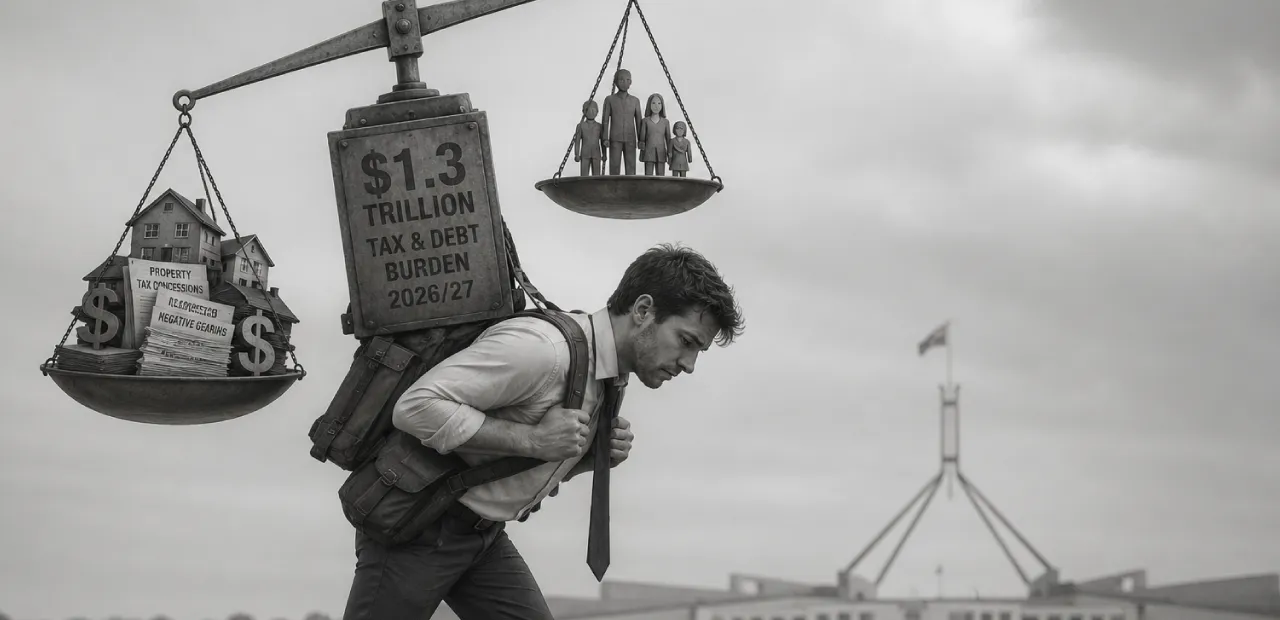
Treasurer Jim Chalmers presents his fifth budget as a rebalancing of the tax system in favour of workers and younger Australians, but the broader fiscal implications warrant closer examination. On the budget papers themselves, it is something more modest and more freighted: a sweeping reset of the tax base built largely on bracket creep, an income tax offset of roughly $5 a week, and a politically charged overhaul of property tax that, whatever its merits, was not taken to the 2025 election.
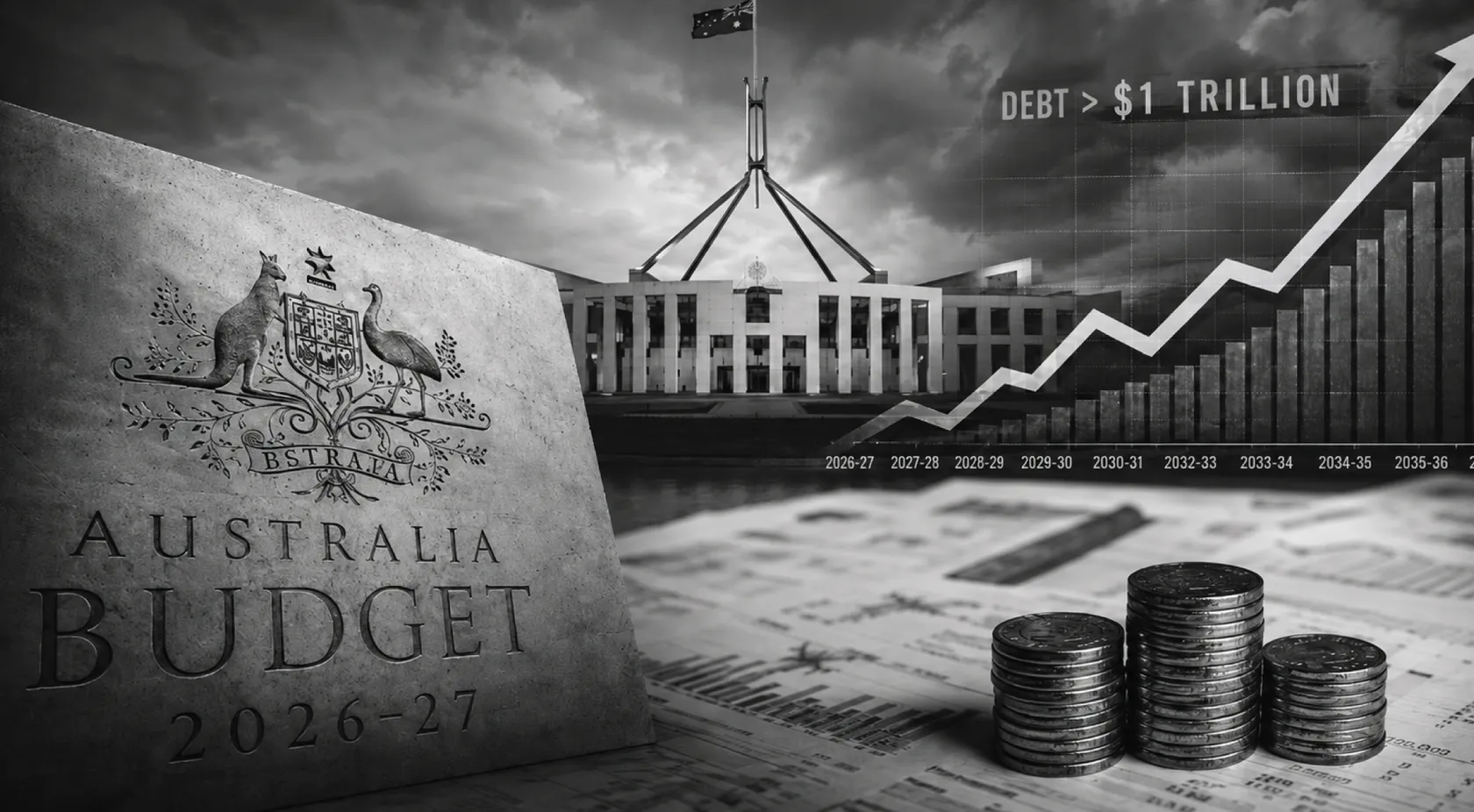
At a point in the economic cycle when budget repair should be easy, with unemployment low, wage growth strong, and commodity prices high, this Budget fails to address rising debt over the forward estimates, with gross debt to exceed $1 trillion by year end.
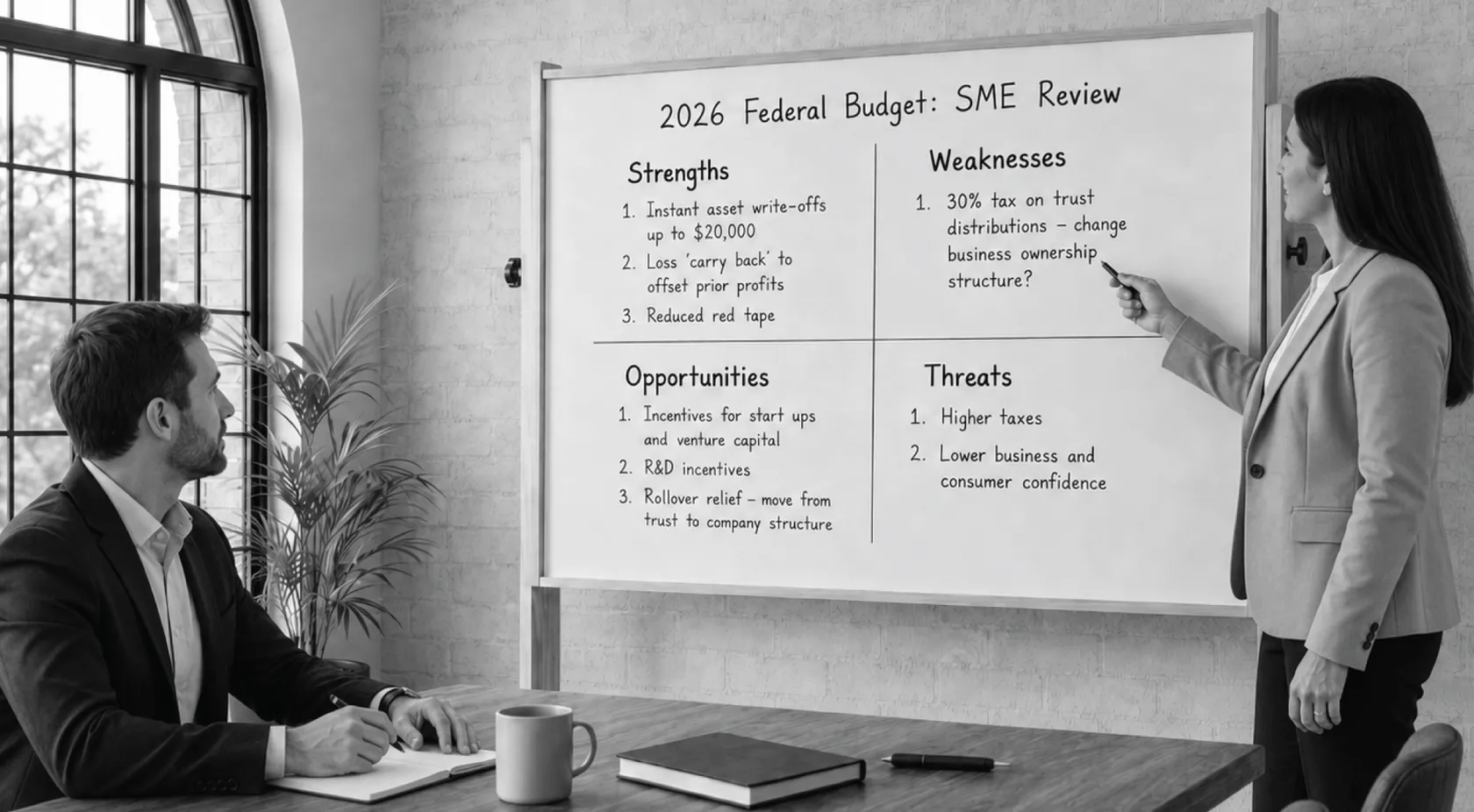
Robbing Peter to pay Peter? Investment and start-up incentives for small business at the front end, higher taxes on trust distributions and capital gains at the back end.
For small business owners and entrepreneurs, this is a paradoxical budget; encouraging risk-taking and business endeavours through various tax incentives, only to tax long-term gains at a much higher level. On balance it leans positive, but the sting is meaningful and the need for structural planning is real.
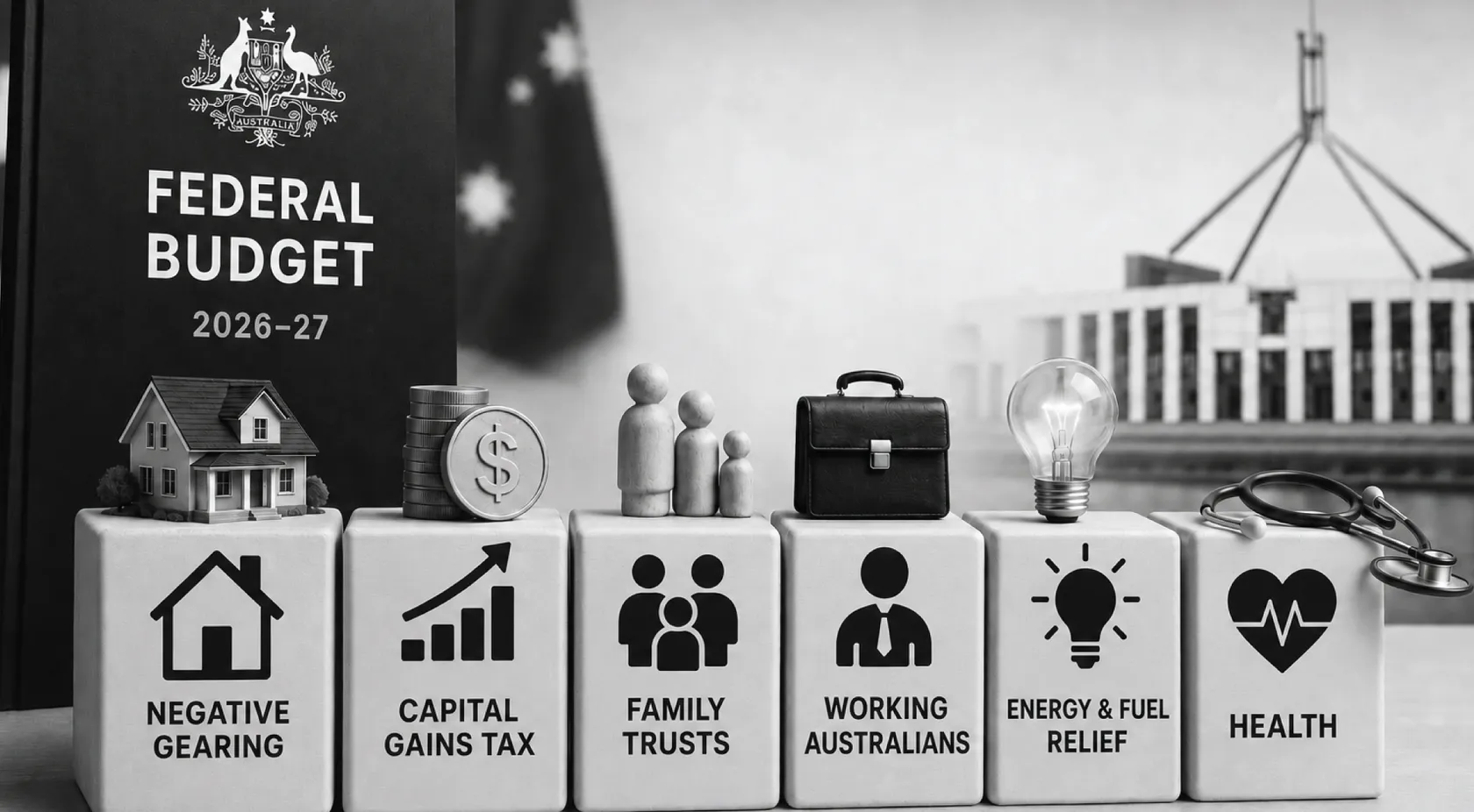
Treasurer Jim Chalmers has handed down the most structurally ambitious Federal Budget in over two decades and for individuals and families, the changes reach well beyond the usual cost-of-living measures into the foundations of how Australians invest, hold assets, and plan for the future. The surprise – if at all the case – is the willingness to break promises made as recently as the last election to deliver it.
While each budget reflects different political priorities, the broader fiscal direction is becoming increasingly important. Across both Federal and State Governments, rising debt levels and growing interest costs are likely to influence future taxation, spending priorities and economic policy settings. Understanding these trends is becoming as important as understanding the individual measures announced each year.
Speak to one of our advisers to learn more:
paul.ashworth@cameronharrison.com.au