Start-up loss refundability
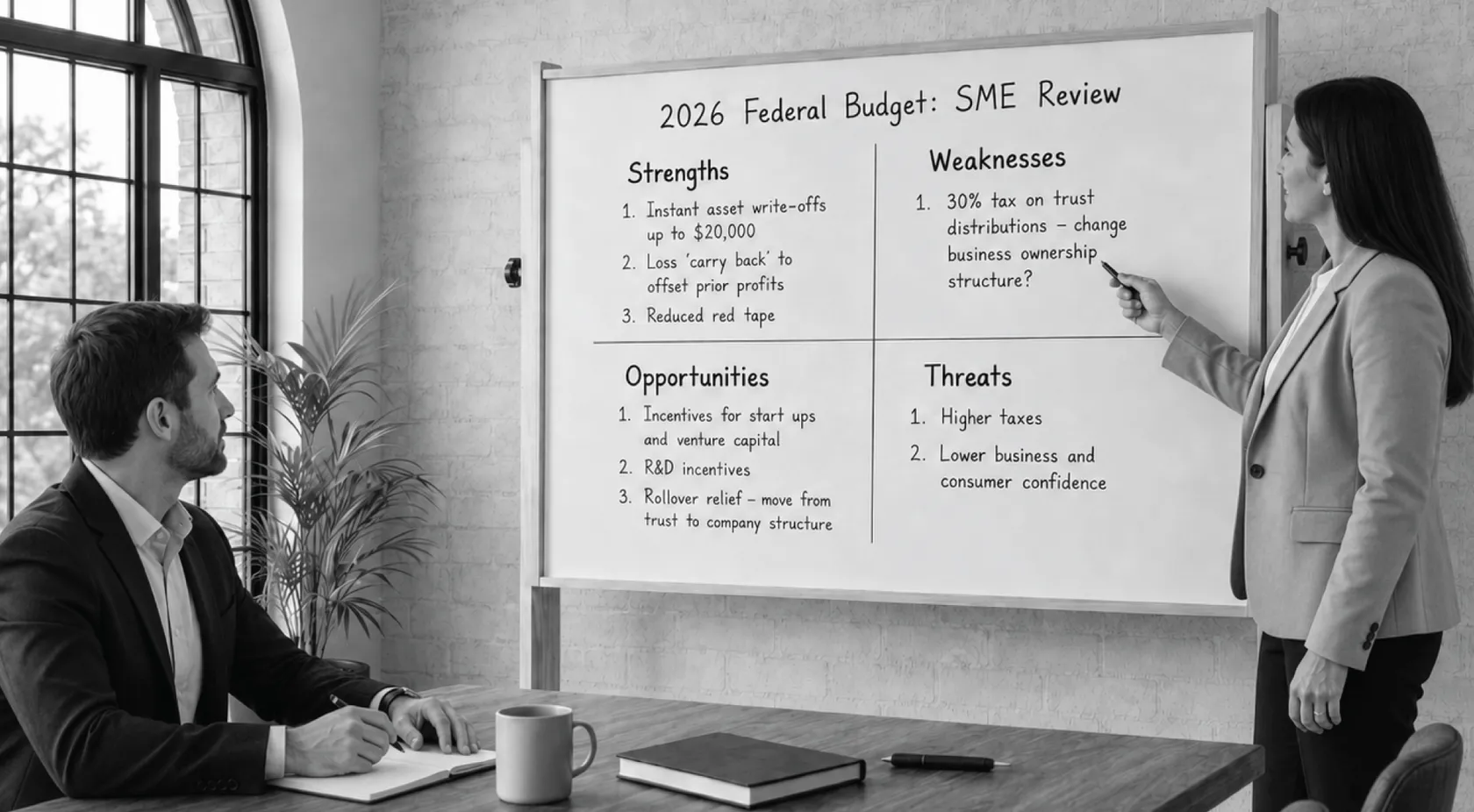
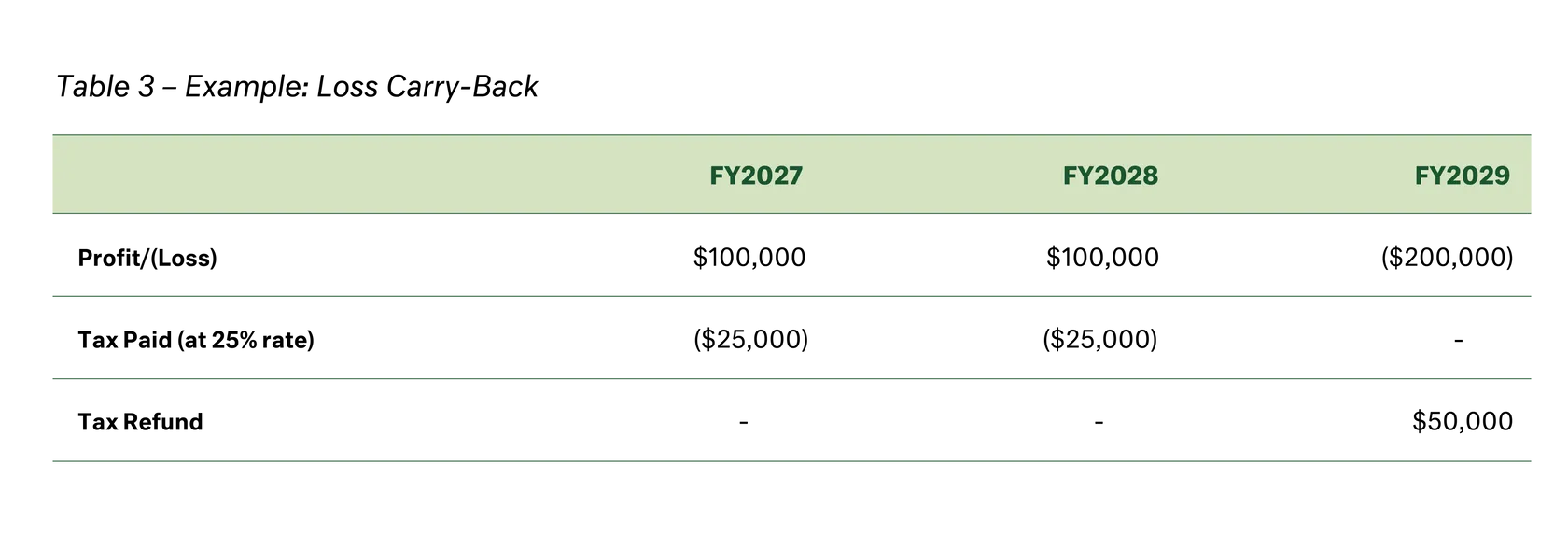
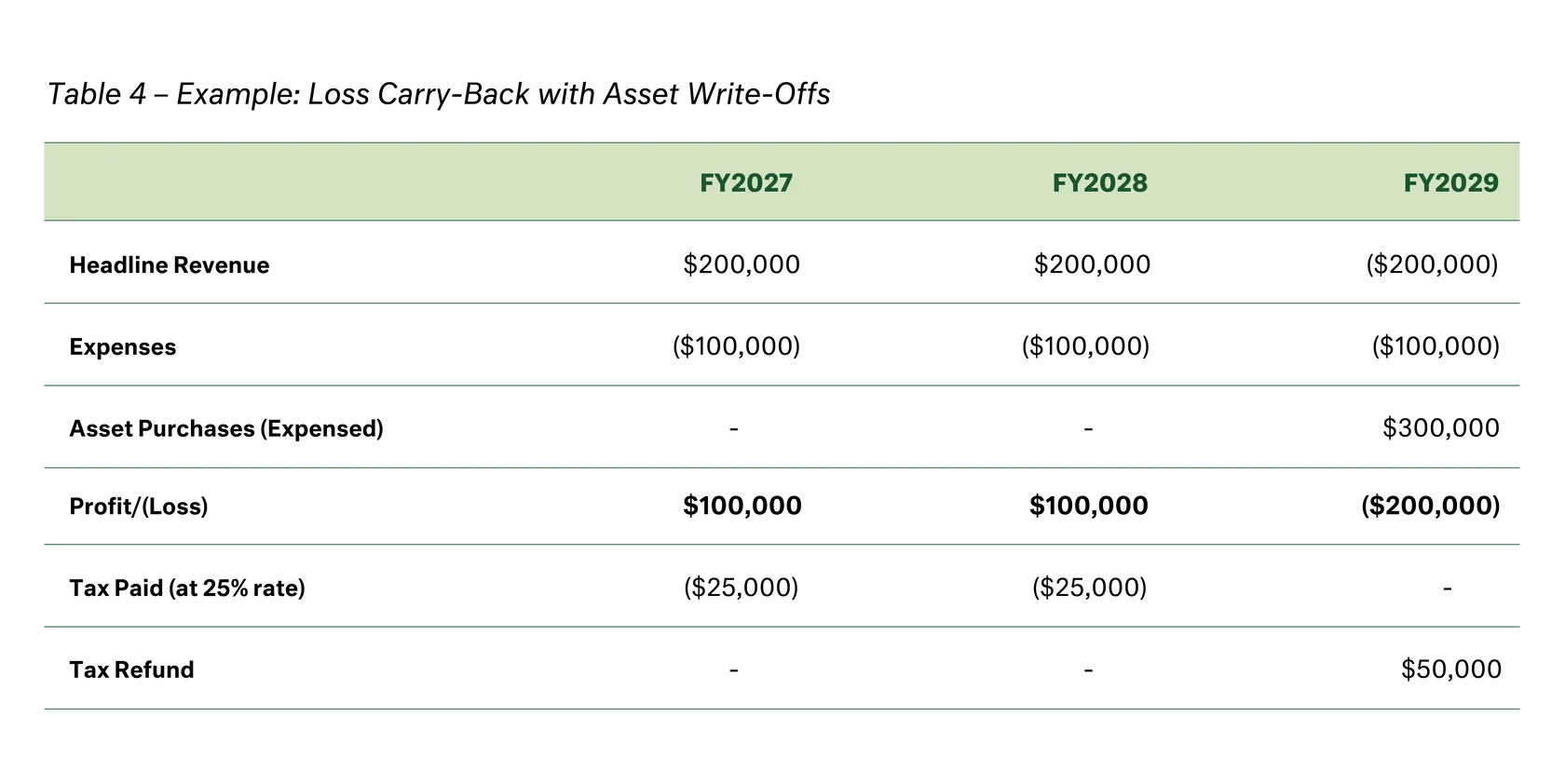
From FY2029 onwards, start-ups with less than $10 million can generate a refundable tax offset from losses incurred in their first two years, though limited to the value of fringe benefits tax and tax paid on wages in those loss years. It is effectively a refund of employment taxes paid in connection with that business.
Research and development tax incentive (RDTI)
Innovation was the catchcry of Malcolm Turnbull during his short reign as PM; he’d be ecstatic that ‘innovation’ received nearly 60 mentions in the budget papers. Central to this is the expansion of the R&D incentive regime in expanding the tax offsets for true R&D, rather than allowing ‘supporting’ activities to also be offset. Importantly, the business turnover threshold for full refundable offset increases from $20 million to $50 million.
The key practical change is the removal of 'supporting activities' from eligible R&D, such as literature reviews and equipment maintenance, in favour of concentrating the offset on genuine experimental work. Firms doing real R&D get more; firms claiming the periphery of it get less.
Venture Capital Tax Incentives
The budget expands the tax-exempt investment caps for venture capital and early stage limited partnerships. The threshold for eligible investment at the time of entry rises from $50 million to $80 million in business assets, while the cap at which returns remain fully tax-exempt rises from $250 million to $420 million. Venture capital funds themselves can also grow larger before the tax exemption falls away, with the maximum fund size lifted from $200 million to $270 million.
Combined, it creates more incentive for investment in Australian start-ups.