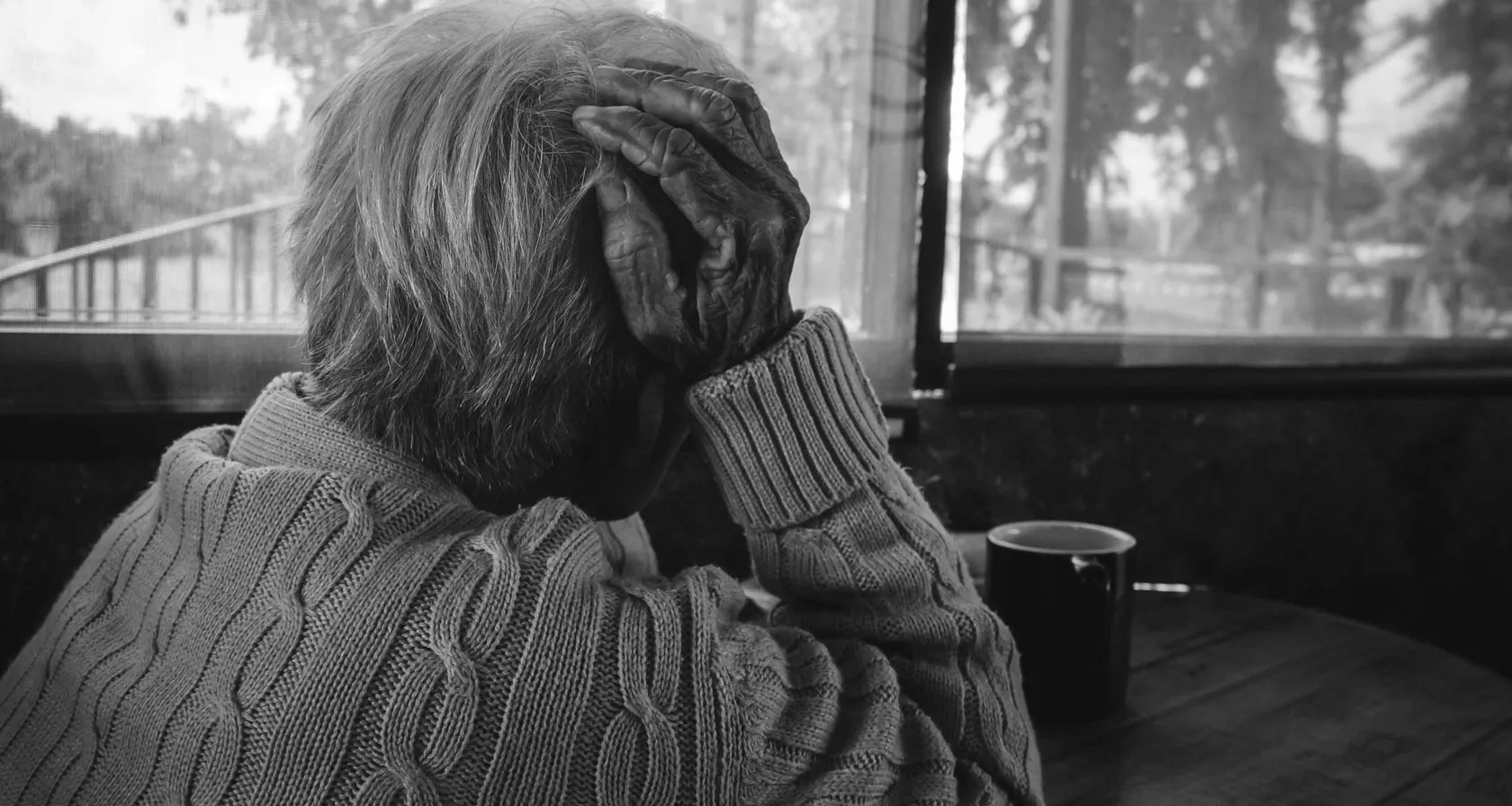
There is a cruel irony at the heart of elder financial abuse: the same formidable individuals who built empires and wealth through determination, guile and an unerring command of their affairs are often, in their later years, the most vulnerable targets of those seeking to exploit them. The very traits that drove their success; loyalty to trusted relationships, confidence in their own judgment, a lifetime of making decisions without question; can be turned against them with devastating precision.
This is not just an abstract issue. Elder financial abuse occurs at a troubling intersection of wealth, cognitive decline and the human need for connection.
In Australia, one in six older Australians now reports experiencing some form of elder abuse, with financial abuse consistently among the most prevalent forms1. However, when the topic involves high-net-worth individuals, advisers, lawyers and families, too often look away, believing that wealth offers protection. It does not. In many cases, it is the lure.
In France, the concept has a name: abus de faiblesse; abuse of weakness. It gained international notoriety through the case of Liliène Bettencourt, the late L’Oréal heiress and one of the world’s wealthiest women. Her family claimed that artist François-Marie Banier had accumulated over $2 billion in gifts and benefits through sustained influence over a woman of diminished capacity. More recently, the case of Nicolas Puech, a fifth-generation Hermès heir with an estimated $22 billion stake in the company, has raised similarly grave questions about the exploitation of the elderly wealthy. These are not isolated cases; they serve as warnings.